

Late summer is not asking for panic; it is asking for precision. The useful question is no longer whether a park is open, but which part of it is honestly available for the trip you want today.
Late August did not bring one clean end to the West's fire season. It brought a sharper dividing line between places where cooler weather reopened a door and places where one more lightning round narrowed the map. At Mount Rainier, the north and east sides now require a different trip, not a hopeful detour. In North Cascades, four separate fires have turned the backcountry closure list into the first planning document to read. Yet Olympic held its ground without trail closures, and Yellowstone recovered enough nighttime cooling to give three heat-sensitive rivers back to anglers each morning. Yosemite's preliminary crowding numbers add a different kind of signal: better parking, entrance processing, shuttles, and live information can move a busy park without making the whole visit feel like a queue. The week's lesson is not that conditions are improving or worsening everywhere. It is that late-summer travel now rewards people who plan by drainage, trailhead, and hour—not by a park-wide yes or no.
Mount Rainier National Park
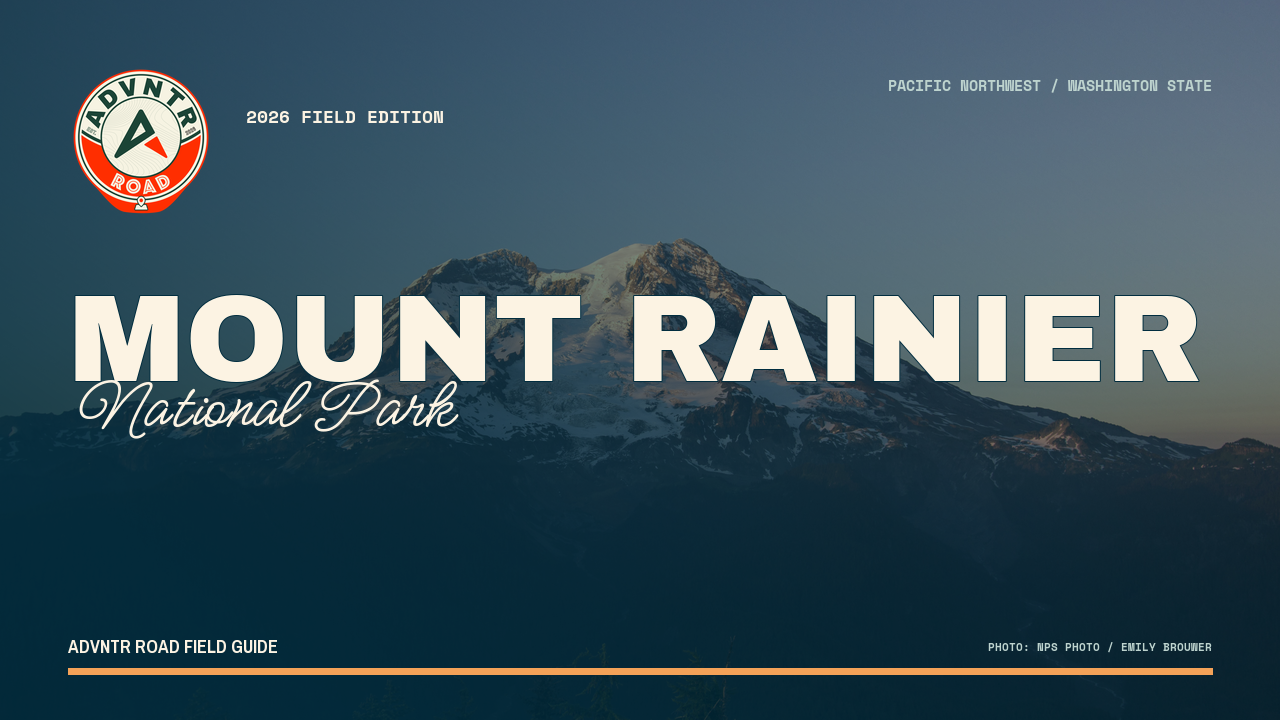
A north-side Wonderland itinerary is no longer a simple reroute. With the Carbon-to-White River spine and Northern Loop segments closed, rebuild the trip around the park's open south and west approaches.
New fires in the park's northern sector expanded the closure far beyond the already-shut Sunrise and White River roads. The Wonderland Trail is closed from the Carbon River Suspension Bridge to White River Campground, taking Dick Creek, Mystic Lake, Granite Creek, and Sunrise camps out of play. The Northern Loop is also closed from Berkeley Park to its Wonderland junction, with four more backcountry camps unavailable. Carbon River Camp, Ipsut Creek Camp, and the upper and lower Carbon River crossings remain open, but they no longer stitch together the classic north-side circuit. Stevens Canyon Road remains open on the opposite side of the mountain.
North Cascades National Park
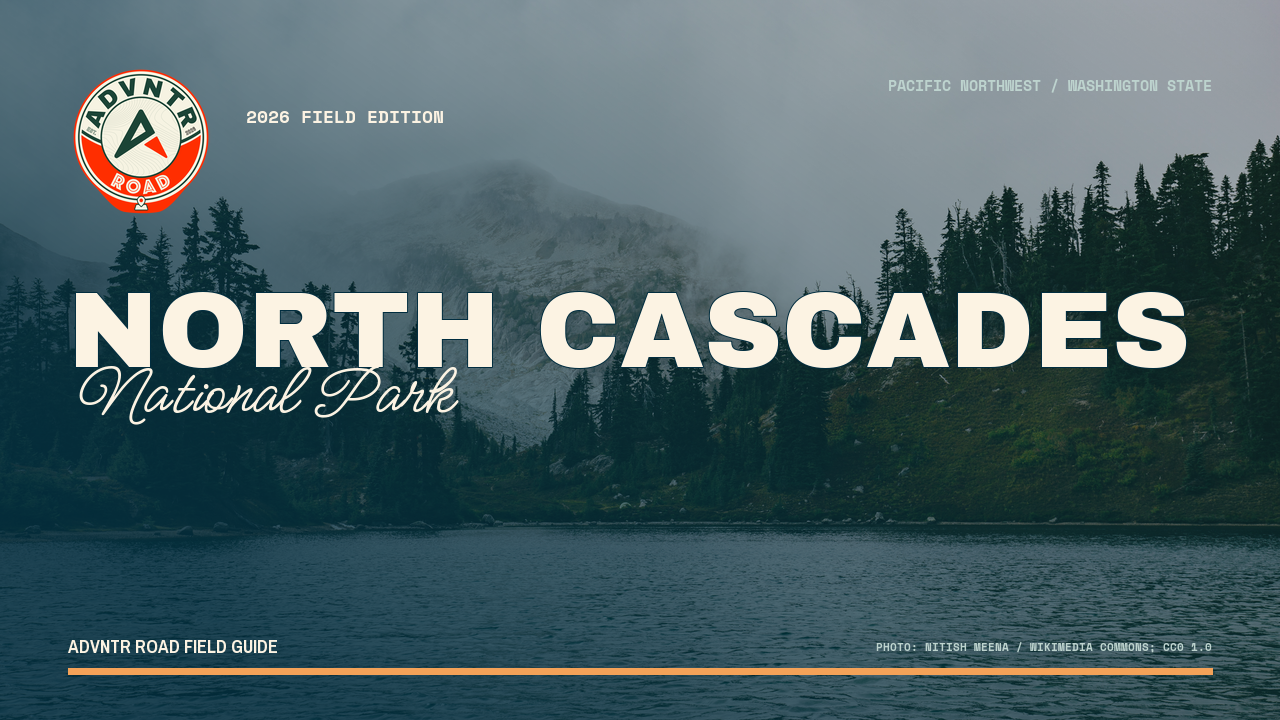
This is no longer one fire to route around. Ross Lake's north end, Big Beaver country, upper Thunder Creek, and the road beyond Stehekin Valley Ranch each have their own hard stop.
The August 28 closure inventory spans the Border 2, Luna, Thunder Creek, and Sisi fires. Ross Lake is closed north of Lightning Creek boat-in camp, including vessel use, while Hozomeen and multiple boat-in camps remain unavailable. Big Beaver and Little Beaver access is interrupted by the Luna closure. Thunder Creek and Fisher Creek lose their upper segments and associated camps. In Stehekin, the Sisi closure shuts the valley road from Stehekin Valley Ranch to High Bridge, along with the Pacific Crest Trail segment through Agnes Creek and several connecting trails. A trip built around crossing from one basin into another needs a fresh map, not a campsite substitution.
Yellowstone National Park
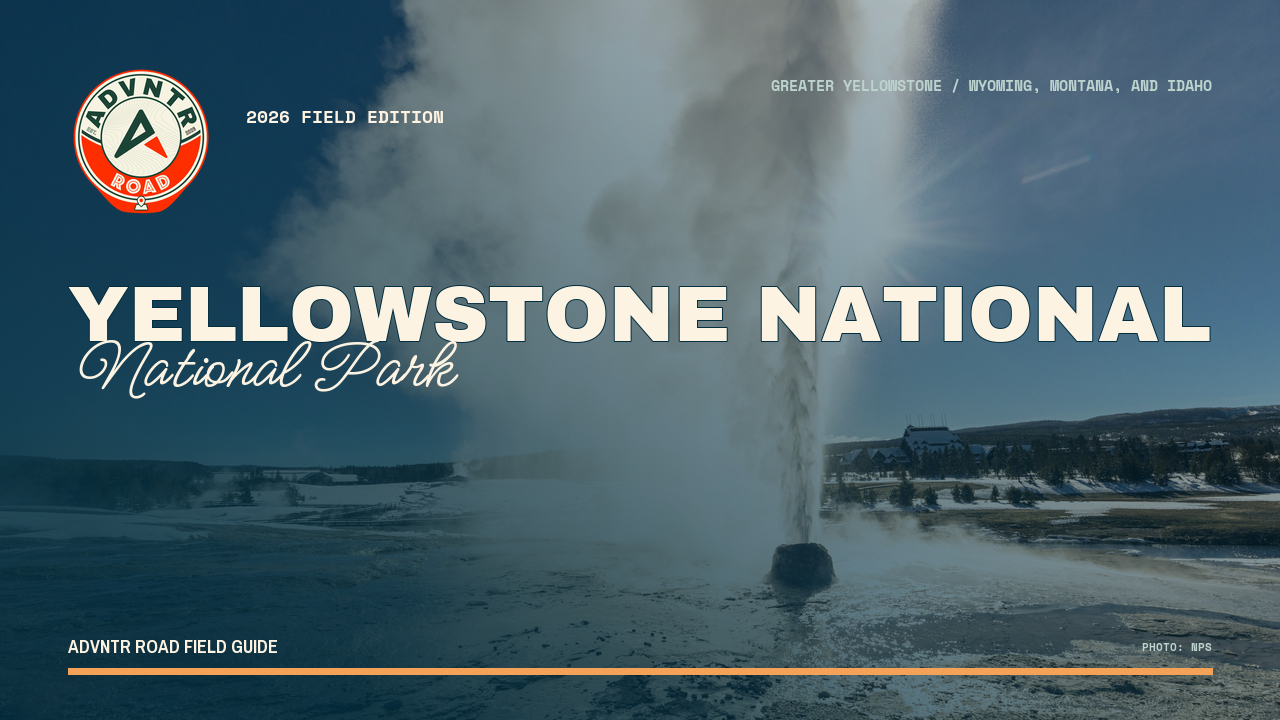
The Firehole, Madison, and lower Gibbon are back—but only as morning rivers. Fish at first light and be done by 2 p.m.; a full-day plan still belongs on Yellowstone's lakes or cooler streams.
Beginning August 28, the Firehole, Madison, and Gibbon downstream of Norris Campground reopened from sunrise to 2 p.m. after more than six weeks of full closure. Cooler nights lowered water temperatures enough for limited use, but the afternoon cutoff remains the line that protects trout as the geothermal rivers warm. Most other rivers, streams, and lakes remain open from sunrise to sunset under the 2026 fishing rules. This is a real reopening, not a return to an unrestricted day: build the fishing plan around an early start, short handling time, and a second afternoon destination.
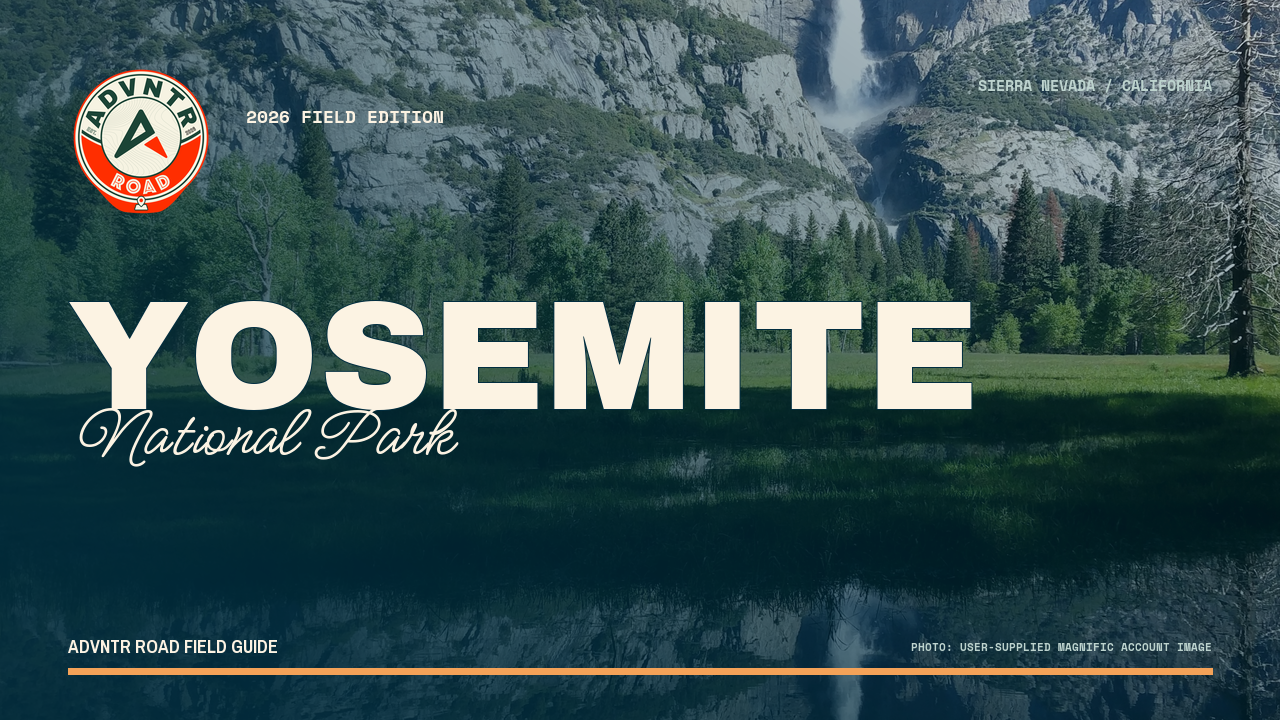
Yosemite National Park
Yosemite's preliminary numbers make a useful case for checking live entrance information instead of treating every summer day as gridlock. Keep the early start, but stop planning from old traffic horror stories.

Olympic National Park
Olympic's latest lightning starts did not take trails off the map. The practical constraint is still the Stage 2 campfire ban, not a new route closure or evacuation.
Guides this may change: Mount Rainier National Park, North Cascades National Park, Olympic National Park